
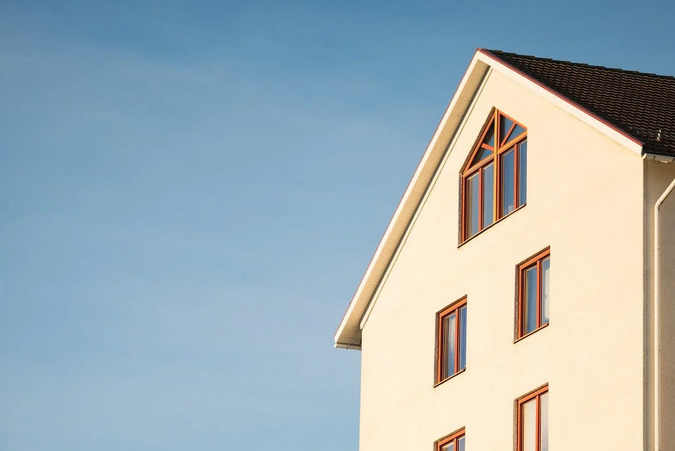
Today, sustainability and environmental consciousness are becoming increasingly important. That’s why it’s crucial to consider the impact our homes have on the planet. As mentioned in Hausbauberater, building an eco-friendly home not only reduces your carbon footprint but also provides a healthier living environment for you and your family. Okay, but how can every constructor or homeowner build a more eco-friendly home? Here is the answer.
Modular Construction

Modular construction, also known as prefabricated or prefab construction, is a revolutionary method that offers numerous benefits when it comes to building an eco-friendly home. This innovative approach involves constructing individual modules in a factory setting, and then on the construction site, it just needs to be assembled. Since the modules are built off-site, they can be constructed simultaneously while site preparation takes place. It significantly cuts off the overall project timeline and minimizes waste generation. Additionally, modular construction promotes sustainability by optimizing material usage. Modular homes are also renowned for their energy efficiency.
Insulated Concrete Forms
These forms are made of two layers of expanded polystyrene (EPS) foam that is filled with reinforced concrete. The key advantage of using ICFs is their excellent insulation properties. The thick layer of foam provides superior thermal resistance, which helps to reduce energy consumption for heating and cooling purposes. Not only do insulated concrete forms provide excellent insulation, but they also offer exceptional durability and strength. The combination of EPS foam and reinforced concrete creates a structure that is resistant to extreme weather conditions such as hurricanes or earthquakes.
Furthermore, ICF construction results in reduced carbon emissions due to its high level of thermal efficiency. This contributes positively towards combating climate change by reducing greenhouse gas emissions associated with traditional construction methods.
Energy-Star Appliances and Lights
 Energy-Star appliances and certified light bulbs are designed to use less electricity while maintaining their performance. Air conditioners, washing machines, dishwashers, and more can consume less energy without compromising functionality. Investing in Energy-Star-rated appliances can massively cut off your energy consumption and make a huge contribution to a greener environment.
Sustainable Landscaping
One important element of sustainable landscaping is water conservation. This can be achieved through proper irrigation techniques, such as using drip irrigation systems or installing rainwater harvesting systems. By efficiently using water, homeowners can reduce their overall consumption and help preserve this precious resource. In addition to plant selection, incorporating permeable surfaces into your landscape design can contribute to sustainability as they can allow rainwater to infiltrate the ground rather than running off into storm drains, helping recharge groundwater supplies.
There are numerous effective methods available when it comes to constructing an eco-friendly home. Whether through modular construction techniques that maximize efficiency or by opting for insulated concrete forms that improve insulation properties – every decision made along the way counts towards creating a more sustainable future. Remember: small changes today lead to significant impacts tomorrow.