
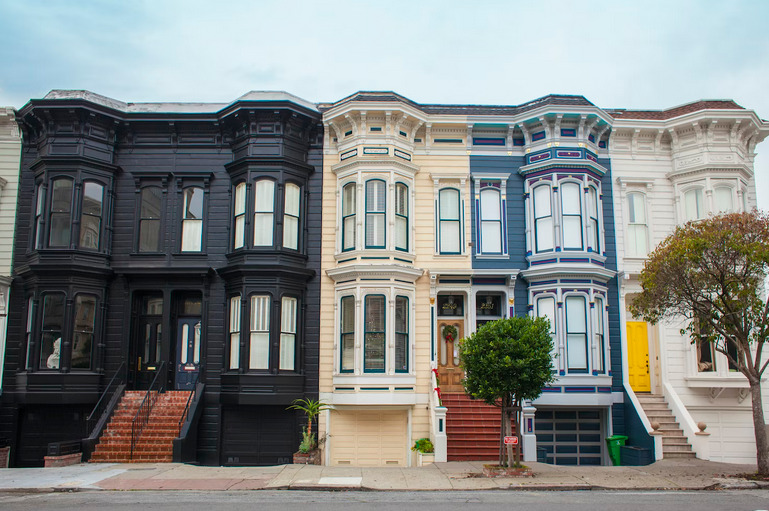
In a world where preserving our past is as important as shaping our future, old properties provide us with an extraordinary opportunity. They hold not only rich historical significance but also immense potential for creating sustainable living spaces. Join us on this thrilling journey as we explore how modernization measures in these aging gems can breathe new life into them, transforming them into eco-friendly havens that perfectly blend tradition and innovation. If you’re interested in sustainable investments in multi-family buildings and want to explore ESG criteria and green real estate further, check out the comprehensive guide at gelbeseiten.de/ratgeber/hg/nachhaltige-investitionen-in-mehrfamilienhaeuser-esg-kriterien-und-gruene-immobilien.
Energy Efficiency Upgrades
One of the primary factors in creating sustainable living spaces in old properties is implementing energy efficiency upgrades. This includes upgrading insulation, installing energy-efficient windows, and improving HVAC systems. By reducing heat loss and minimizing energy consumption, these upgrades significantly decrease carbon emissions and utility costs. Integration of smart technologies like programmable thermostats and occupancy sensors further optimizes energy usage. Energy efficiency upgrades not only enhance sustainability but also improve resident comfort and reduce long-term operational expenses.
Renewable Energy Integration
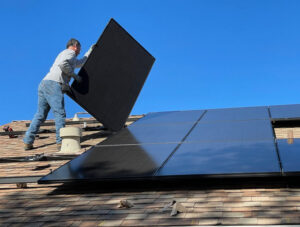 Incorporating renewable energy sources into old properties is another vital factor for creating sustainable living spaces. Installing solar panels on rooftops or utilizing nearby wind turbines can generate clean electricity, reducing reliance on traditional fossil fuel-based grids. This integration lowers carbon emissions and contributes to long-term energy cost savings. Moreover, implementing energy storage systems ensures efficient utilization of renewable energy, even during non-peak hours.
Water Conservation Measures
A crucial aspect of sustainable living spaces is water conservation. Implementing water-saving measures in old properties can significantly reduce water consumption. Upgrading plumbing fixtures to low-flow alternatives, installing water-efficient appliances, and implementing greywater recycling systems are effective methods for conserving water resources. Additionally, implementing rainwater harvesting systems for landscaping and irrigation purposes reduces reliance on potable water sources.
Use of Sustainable Materials

The choice of materials during the modernization process is vital in creating sustainable living spaces. Opting for environmentally friendly and recycled materials helps reduce resource depletion and waste generation. Incorporating sustainable building materials like bamboo flooring, recycled glass countertops, and low-VOC paints improves indoor air quality and minimizes harmful emissions. Additionally, utilizing salvaged materials from the original property reduces carbon emissions associated with manufacturing new materials.
Reviving old properties through modernization measures presents an opportunity to create sustainable living spaces while preserving historical significance. By implementing energy efficiency upgrades, integrating renewable energy sources, adopting water conservation measures, and using sustainable materials, old properties can become eco-friendly and aligned with modern sustainability standards.