
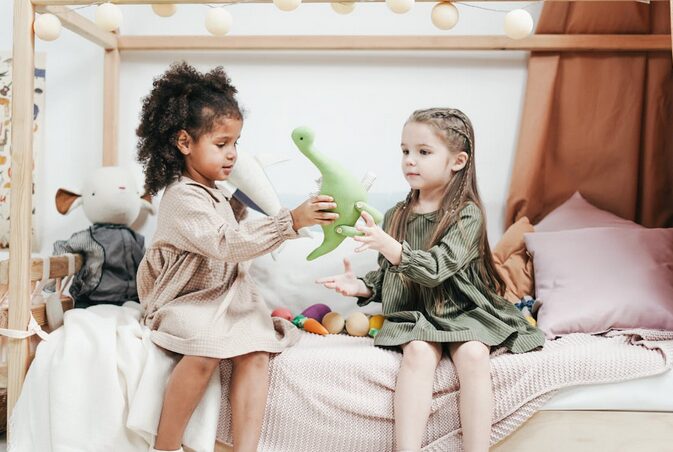
Creating a shared bedroom for siblings is all about striking the right balance between togetherness and personal space. While it can foster a sense of bonding and teamwork, it also presents challenges like privacy, organization, and differing interests. You can find a quick guide to setting up a safe space for kids if you are having challenges with siblings in a shared room. The key to success lies in smart design choices and thoughtful planning that address both individuality and harmony. With the right approach, a shared room can become a place where kids feel at home—together and on their terms.
Start With a Unified Layout
A good layout is essential for making a shared room function smoothly. Begin by placing beds in a way that gives each child a defined area, whether that means bunk beds, twin beds on opposite walls, or lofted setups with designated zones underneath. Symmetry helps with visual balance, while also keeping the room feeling fair and organized. If possible, allow each child to have their own window or wall space to personalize.
Give Each Child Their Personal Touch
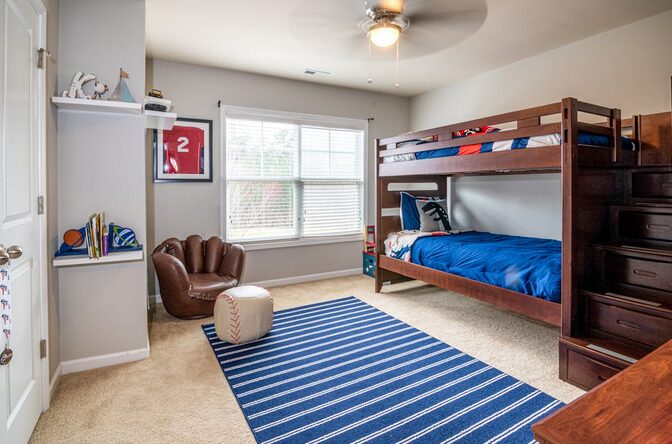
Even in a shared space, every child needs to feel like they have a place that belongs to them. Let them choose their bedding, art, or a few accessories in their favorite colors. This encourages self-expression and a sense of ownership. Matching furniture can still work with varied accents—think uniform beds with different throw pillows or art above each side of the room.
Use Storage to Maintain Order
Keeping a shared bedroom organized is critical for reducing tension. Incorporate labeled bins, under-bed drawers, cubbies, or vertical shelves to give each sibling a spot for their things. Shared storage areas should be neutral and easy to access, while individual storage should be marked and respected. Teaching boundaries through storage helps build responsibility and minimize conflicts over clutter.
Create Zones for Quiet and Play
If the room is large enough, divide it into zones—a quiet area for reading or homework, and a play space for toys and games. You can use rugs, curtains, or furniture placement to visually separate these areas. When each child knows where different activities happen, it helps set expectations and keeps the room more peaceful and functional.
Make Use of Vertical Space
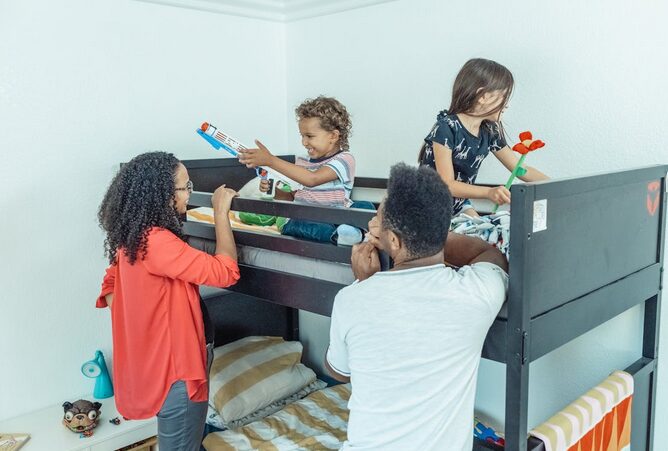
Shared rooms can quickly feel cramped, especially when toys and clothes pile up. Think vertically by adding wall-mounted shelves, tall bookcases, or stackable storage. Bunk beds are another smart way to free up floor space, especially when paired with wall lighting or individual shelves so each child still has their corner to retreat to.
Encourage Respect and Communication
Design choices go a long way, but so does setting ground rules. Encourage siblings to communicate about what’s working and what isn’t in their shared room. Whether it’s noise levels, bedtimes, or shared belongings, giving each child a voice helps avoid resentment and builds stronger sibling bonds.
A shared bedroom can be both practical and enriching for siblings when designed with intention. With clear personal spaces, efficient storage, and thoughtful layout choices, kids can enjoy the benefits of shared living while still feeling like they have a place to call their own. With the right balance, your children can grow closer—not just as siblings, but as roommates who respect and support each other.