
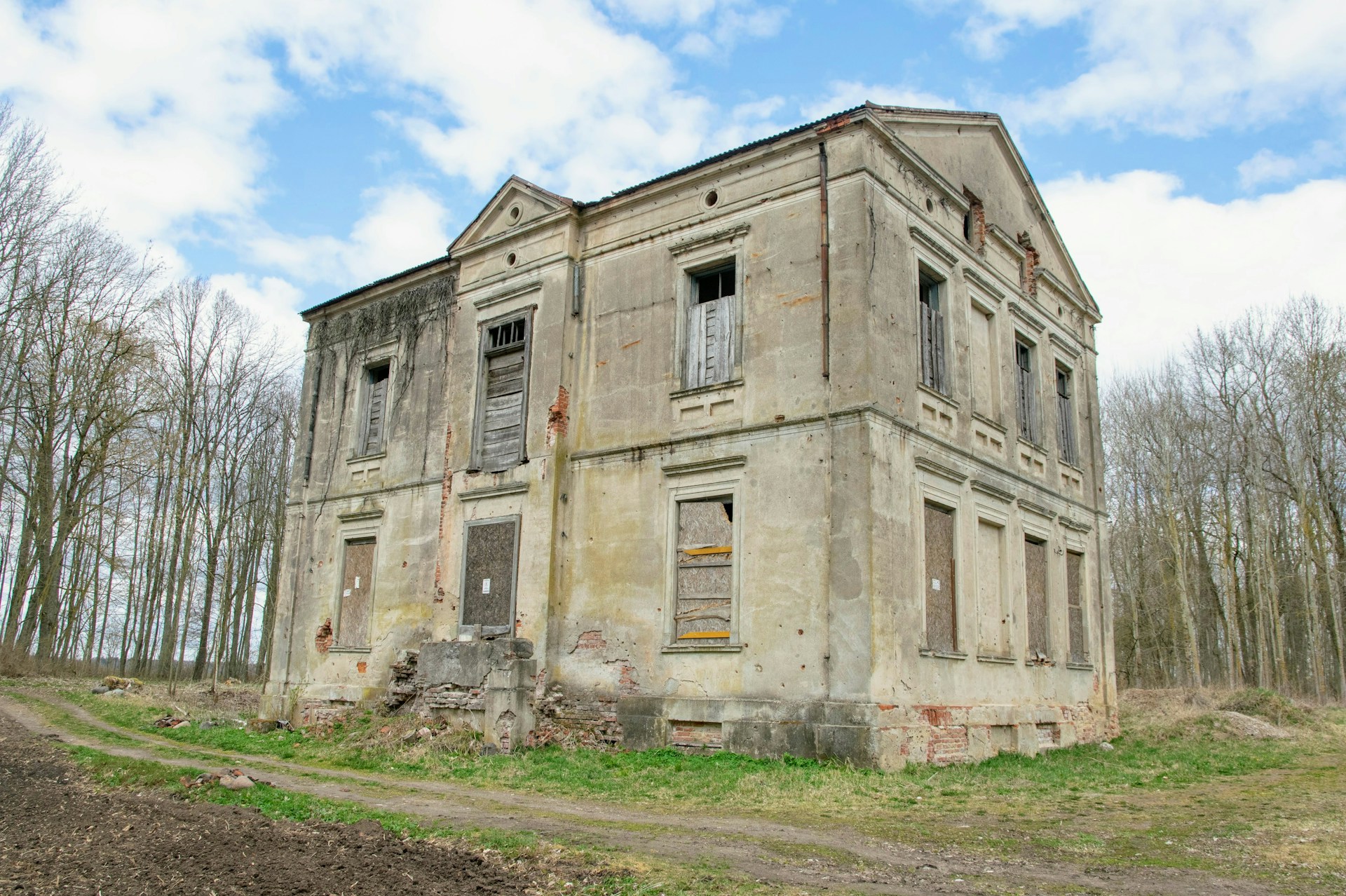
Renovating a historic home feels a bit like editing a classic novel. If you visit deavita.com often enough, you’ll notice that they put emphasis on improving comfort while protecting the details that give an older house its unforgettable personality. Every carved staircase, original window, and decorative molding carries a story. Once those features disappear, bringing them back is rarely simple. A thoughtful renovation keeps history alive while making the home better suited for modern living.
Identify the Features Worth Saving First
Before demolition begins, walk through every room with a camera and notebook. Original hardwood floors, plaster ceilings, stained glass, fireplaces, and built-in cabinetry often deserve preservation. Recording their condition creates a useful reference if repairs become necessary later. Historical documents can also reveal hidden treasures. Old photographs sometimes show architectural details covered during previous renovations. Looking back before moving forward helps you make smarter choices. But not every old feature requires replacement simply because it looks worn. Age often adds character that brand-new materials cannot imitate. A careful evaluation keeps valuable elements from ending up in a dumpster.
Blend Modern Upgrades With Historic Character
Older homes deserve modern comfort without sacrificing their identity. Electrical systems, plumbing, insulation, and heating equipment can usually be updated behind walls or beneath floors where they remain out of sight. Visitors notice beautiful spaces, not hidden wiring. Lighting choices also make a noticeable difference. Fixtures inspired by the home’s original style work beautifully alongside energy-efficient technology. The result feels balanced rather than forced. Modern convenience quietly supports daily life without stealing attention from historic details.
Repair Instead of Replacing Whenever Possible
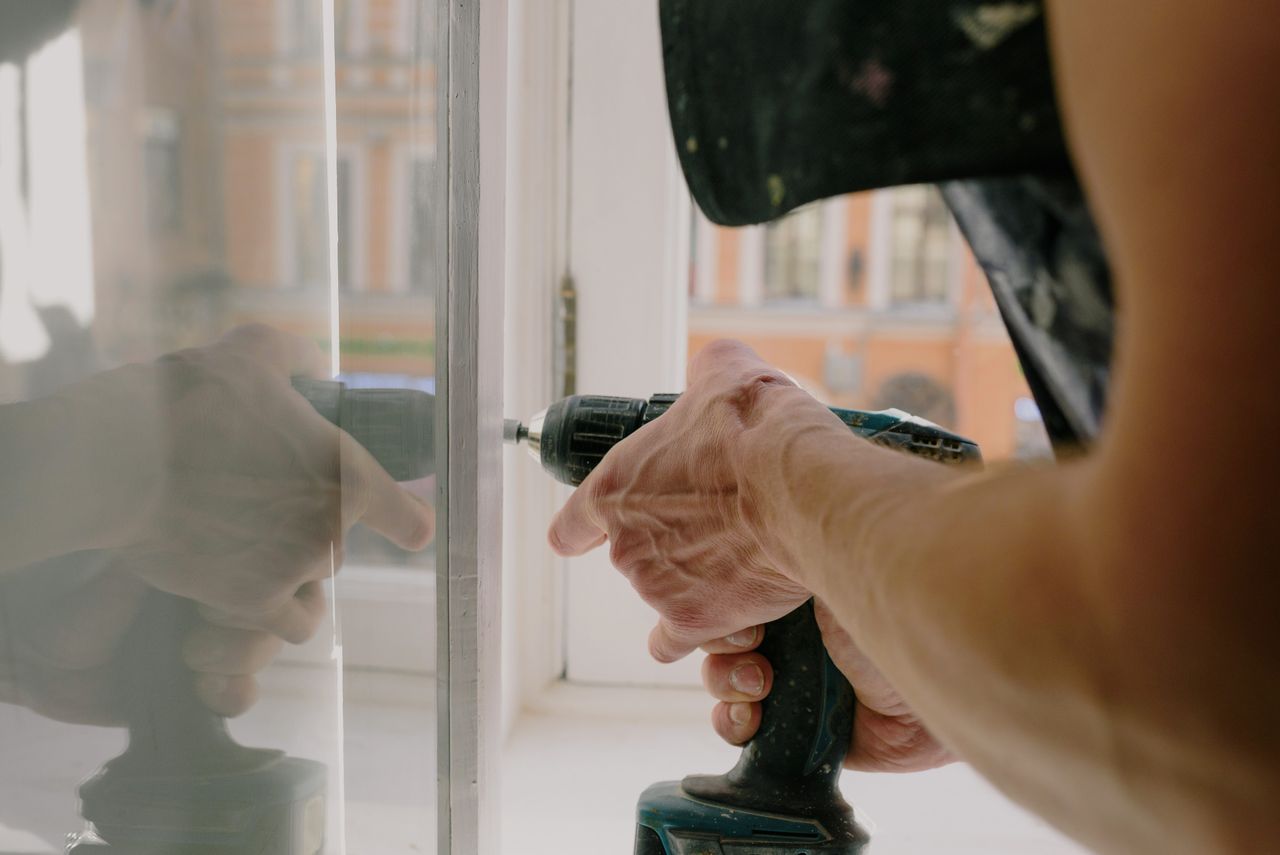
A scratched floor isn’t automatically ruined. A weathered wood door may only need sanding, minor repairs, and a fresh finish. Many original materials were built with remarkable durability, making restoration a practical option instead of a sentimental one. The same idea applies to vintage windows and decorative trim. Small repairs frequently preserve craftsmanship that’s difficult to reproduce today. It’s similar to restoring an old watch instead of buying a plastic copy. The original carries far more personality. Repair work also helps maintain visual consistency throughout the house. Keeping authentic materials creates a natural flow from one room to another without introducing mismatched finishes.
Choose Materials That Respect the Original Design
New additions should feel like natural companions instead of strangers. Matching wood species, stone textures, paint colors, and trim profiles helps fresh renovations blend comfortably with older sections of the house. Good design rarely shouts for attention. Whenever replacement becomes unavoidable, search for materials that closely resemble the originals. Salvage yards and specialty suppliers often carry reclaimed pieces that fit surprisingly well. Sometimes the perfect replacement already has a story of its own.
Work With Craftspeople Experienced in Historic Homes
Historic renovations demand specialized knowledge. Skilled craftspeople understand traditional building methods and know how to repair delicate architectural details without damaging them. Their experience often prevents costly mistakes before they happen. Ask to see examples of previous restoration work before hiring anyone. Clear communication also keeps everyone focused on protecting important features throughout the project. A talented restoration professional treats every original detail with respect, allowing your home to serve another generation while preserving the charm that made it special from the very beginning.