
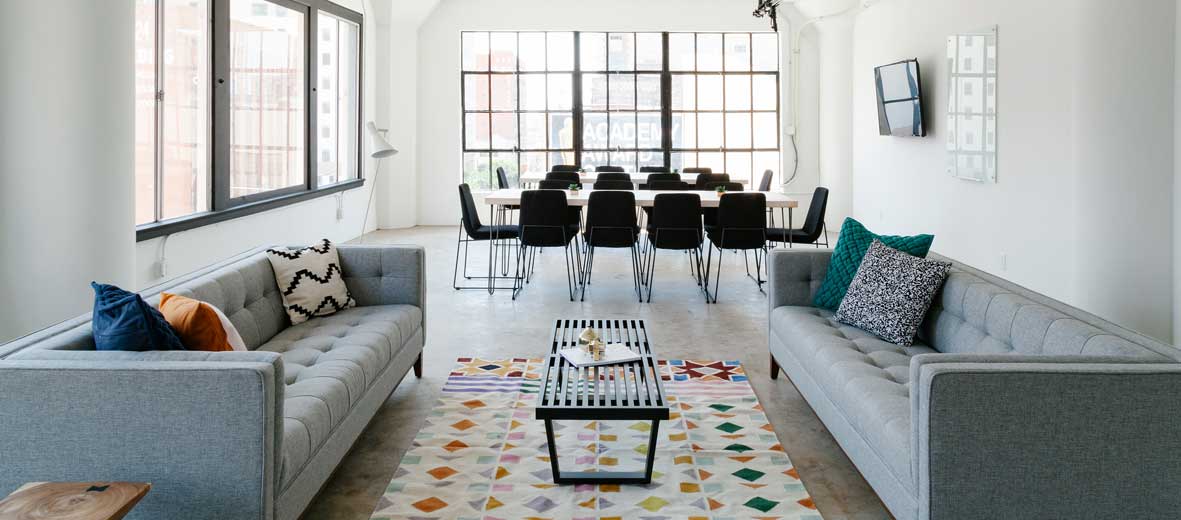
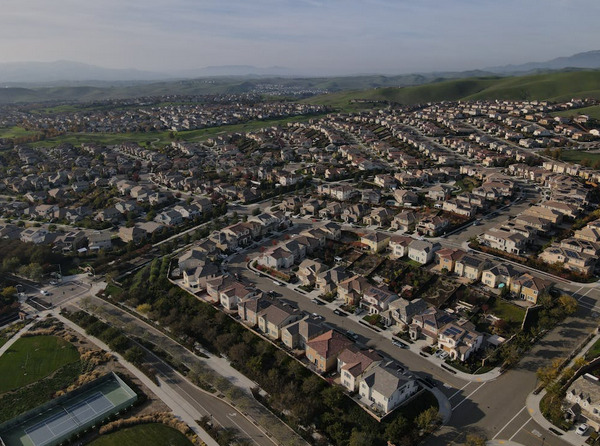
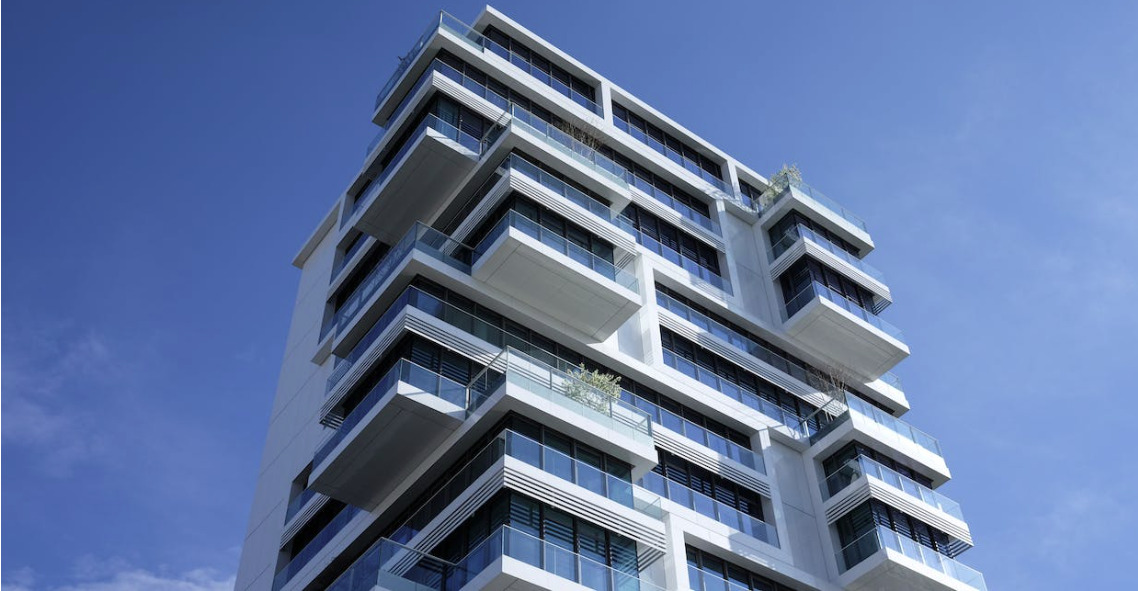
When people hear the phrase “affordable housing,” they often picture small homes with limited features or lower-quality construction. That assumption has been around for years, but it doesn’t reflect today’s reality. Advances in construction technology, smarter design, and changing homeowner priorities have completely reshaped what affordability means. Instead of sacrificing comfort or style, many affordable homes now offer impressive quality, energy efficiency, and flexible layouts that suit modern lifestyles. The biggest misconception isn’t that affordable housing exists—it’s believing that affordable automatically means settling for less.
Affordable Doesn’t Mean Ordinary
One of the most common myths is that affordable homes lack personality or architectural appeal. In reality, many modern building methods allow homeowners to enjoy customized designs without dramatically increasing costs. People exploring innovative construction ideas often read resources like fertighaus.com/news/architektenhaus-als-fertighaus-so-verbinden-sie-individuelle-planung-mit-den-vorteilen-des-systembaus/ to see how individualized planning can be combined with efficient building systems. These approaches show that affordability and thoughtful design can easily exist side by side.
Smart Construction Changes Everything
Construction methods have improved significantly over the past decade. Factory-built components, advanced manufacturing techniques, and better project planning help reduce waste, improve consistency, and shorten construction timelines. These efficiencies can lower overall building costs without compromising structural quality. Rather than cutting corners, modern construction focuses on using resources more effectively, allowing homeowners to get greater value from their investment.
Energy Efficiency Saves More Than Money

Affordable housing isn’t only about the initial purchase price. Long-term ownership costs play an equally important role. Homes designed with quality insulation, energy-efficient windows, and modern heating and cooling systems can significantly reduce monthly utility bills. Lower operating expenses make a home more affordable over time while also contributing to a more sustainable lifestyle. These savings often add up year after year, making efficiency one of the smartest investments a homeowner can make.
Flexibility Is Becoming a Priority
Today’s homeowners want homes that adapt to changing needs. Whether it’s creating a home office, accommodating a growing family, or preparing for retirement, flexible layouts have become increasingly important. Affordable homes now incorporate open floor plans, multipurpose rooms, and expandable designs that provide long-term value. Instead of paying for unnecessary square footage, buyers can invest in spaces that serve multiple purposes and evolve alongside their lifestyles.
Changing Perceptions Takes Time
Despite these improvements, outdated opinions about affordable housing continue to influence public perception. Many people still associate lower prices with lower standards, even though modern construction techniques have dramatically improved quality and design. As more homeowners experience well-designed affordable homes firsthand, these misconceptions are slowly disappearing. The growing popularity of innovative building methods suggests that buyers are becoming more focused on overall value rather than old stereotypes.
The biggest lie about affordable housing is the belief that lower costs automatically mean lower quality. Modern construction, efficient design, and evolving technology have transformed what’s possible for today’s homeowners. Affordable housing can offer comfort, style, durability, and energy efficiency without requiring major compromises. As the housing market continues to evolve, more people are discovering that affordability is no longer about sacrificing features—it’s about making smarter choices that deliver lasting value for years to come.…






 Marketing is another essential aspect of building a successful property development business. It is crucial to develop a comprehensive marketing plan that will help you reach potential buyers and renters and generate interest in your properties. This can include various tactics, such as online and offline advertising, PR, and networking.
 You want the best for your property. Therefore, it is good to research the current market to determine if now is the right time. You are likely to get your price when there are fewer properties in the area. If it’s a buyer’s market, you may want to wait a while for things to turn in your favor. When looking for a real estate agent, consider three agencies with a good reputation.
 Next, make sure that the agent is licensed for your area. Many countries require their real estate agents to be registered. It would be best if you made sure that the real estate agents are trustworthy and reliable. It would be best if you felt confident in handing over the keys to a broker. What is the experience of real estate agents, especially in the area where you want to sell? What is their market share? Is it their job to sell all the properties in the area?


 Deposits in bathtubs, showers, sinks, and taps caused by
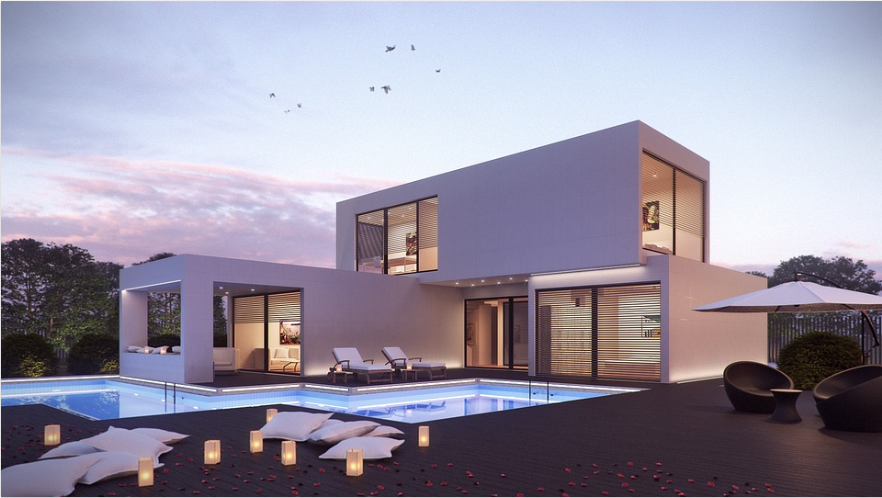
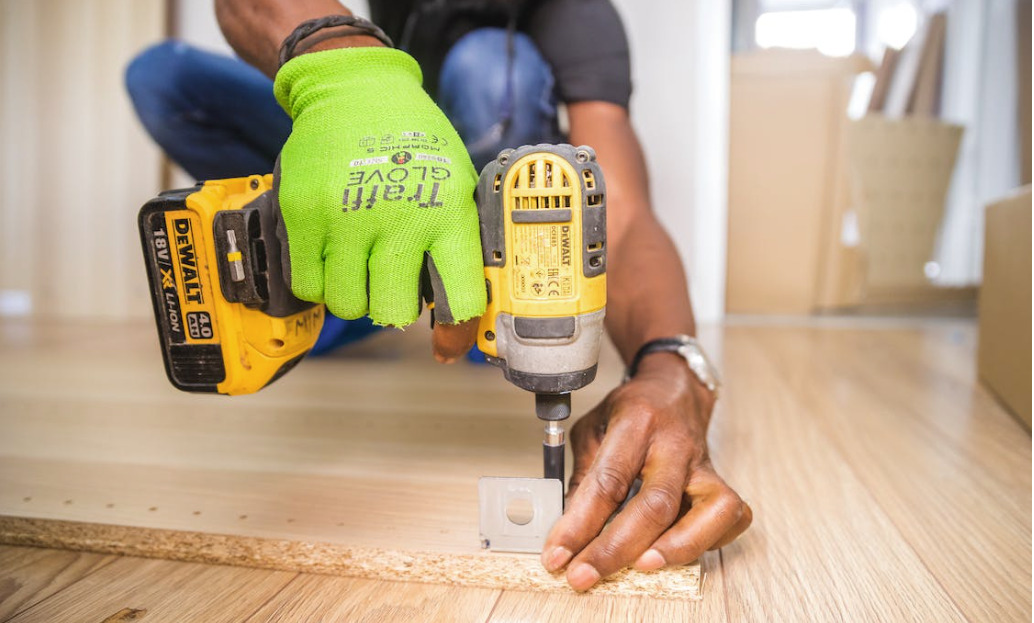
 Quick construction is only one of the great advantages of prefabricated houses. Since the individual parts of a prefabricated home cannot be understood intuitively, they only have to be built to connect the house to the necessary services. Hence the title “modular.” The prefabricated house goes up much faster because it comes partially assembled.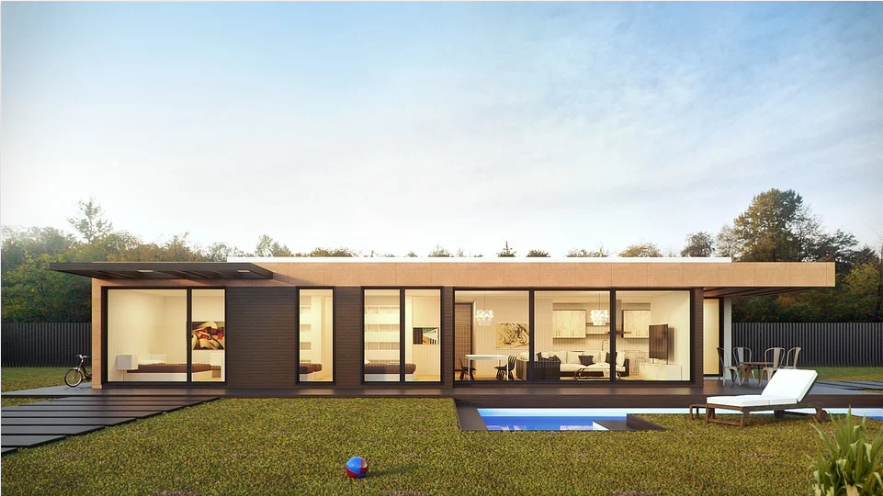
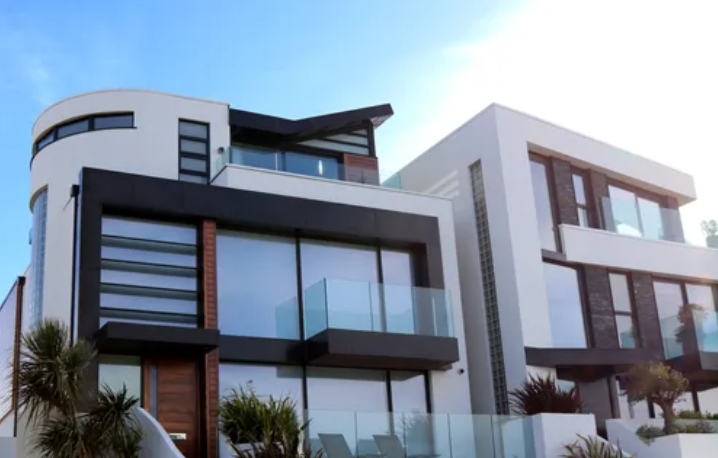

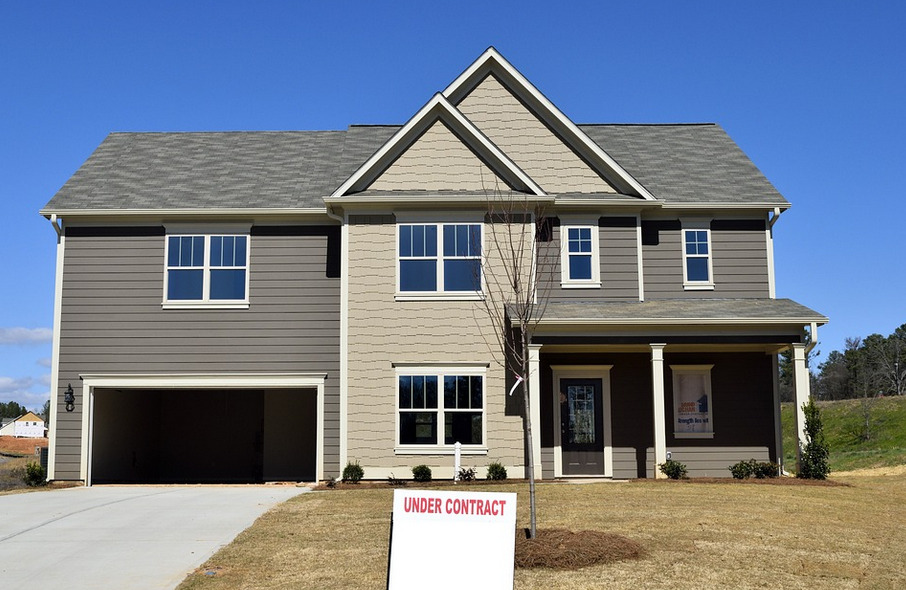
 Curb appeal is an integral factor concerning drawing on buyers. Also important is the exterior looks to a possible buyer of your residence. It has to look great in the exterior but also from the interior, to entice people interested in purchasing your house.